
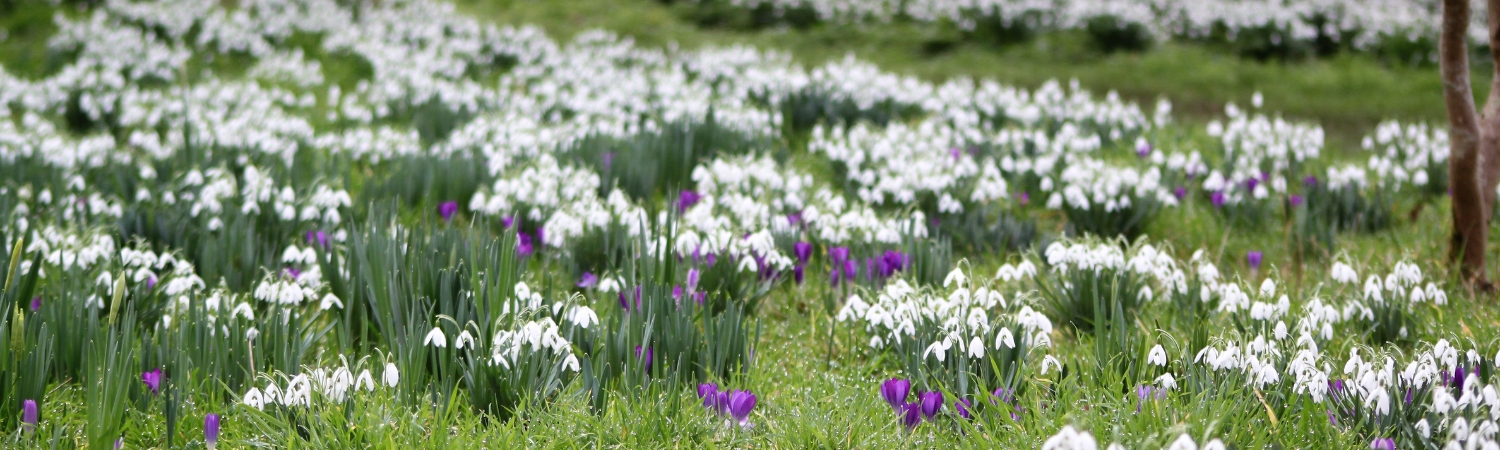
Snowdrop Month at The Bishop's Palace, Wells
Visit The Bishop’s Palace this February to see a brilliant snowdrop display in our 14 acres of RHS partner gardens. Throughout the month, enjoy an informative snowdrop trail, winter gardening walk and talks, plus family-friendly activities.
Visit beautiful snowdrop displays in Wells, Somerset
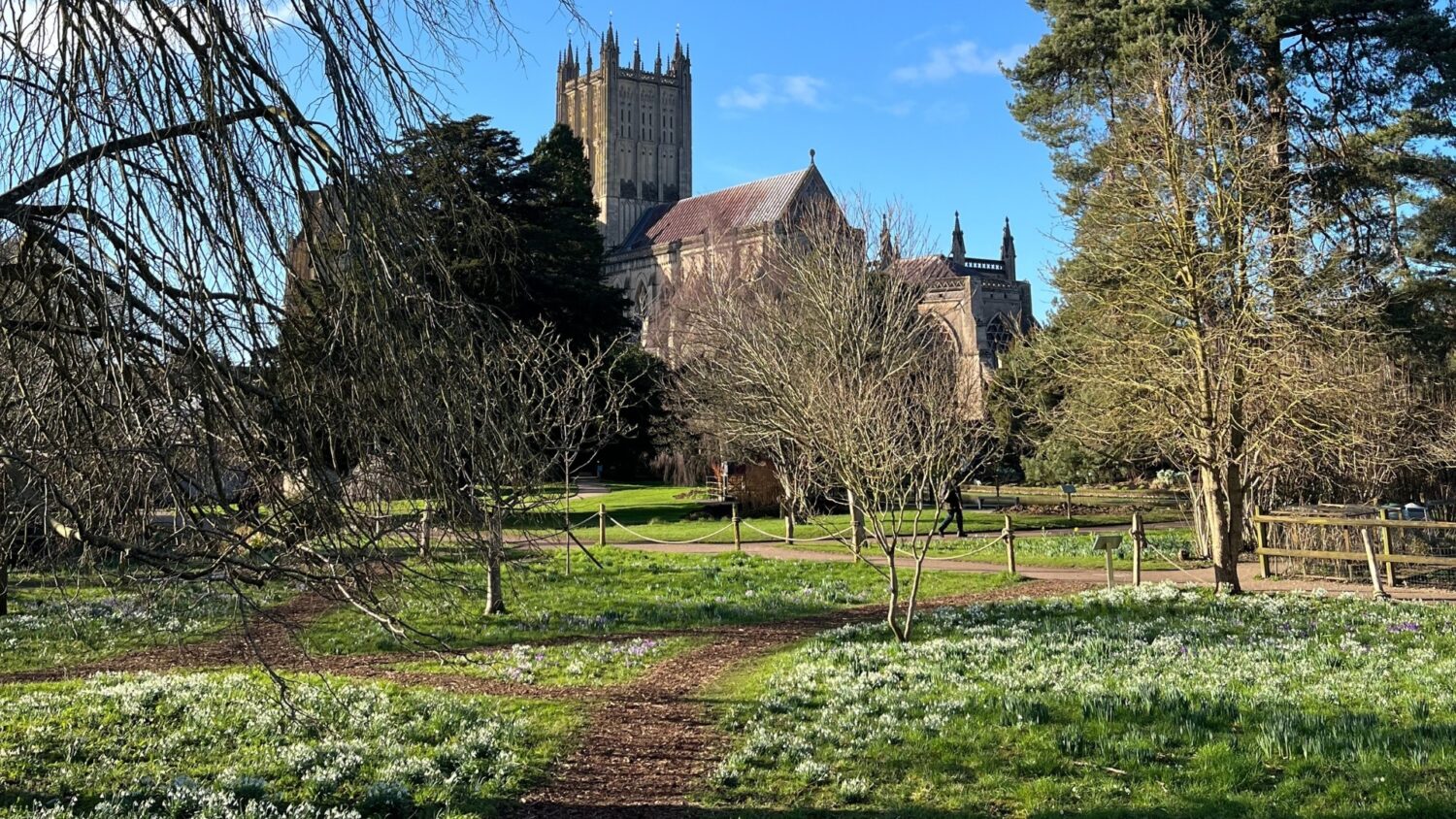
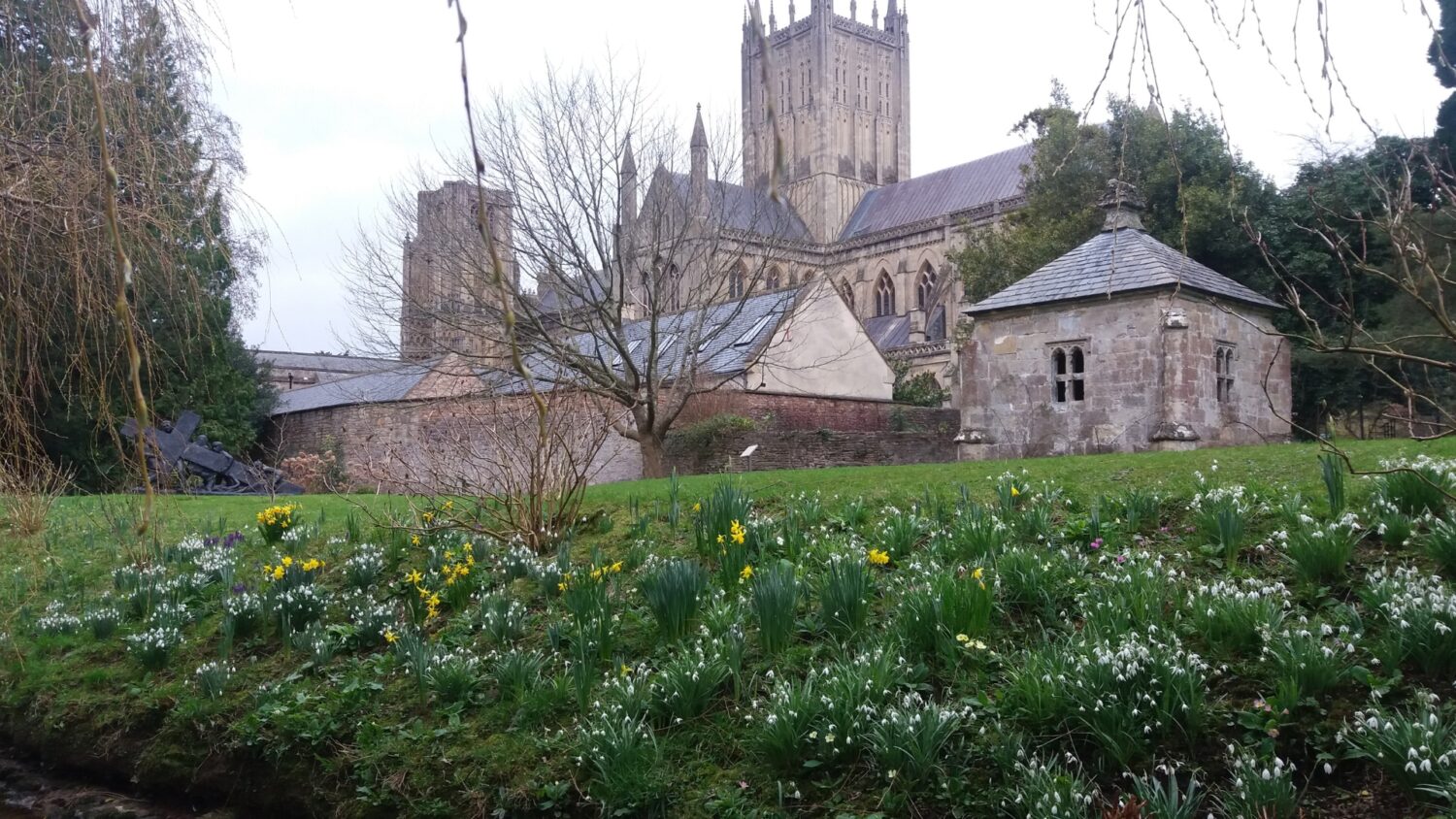
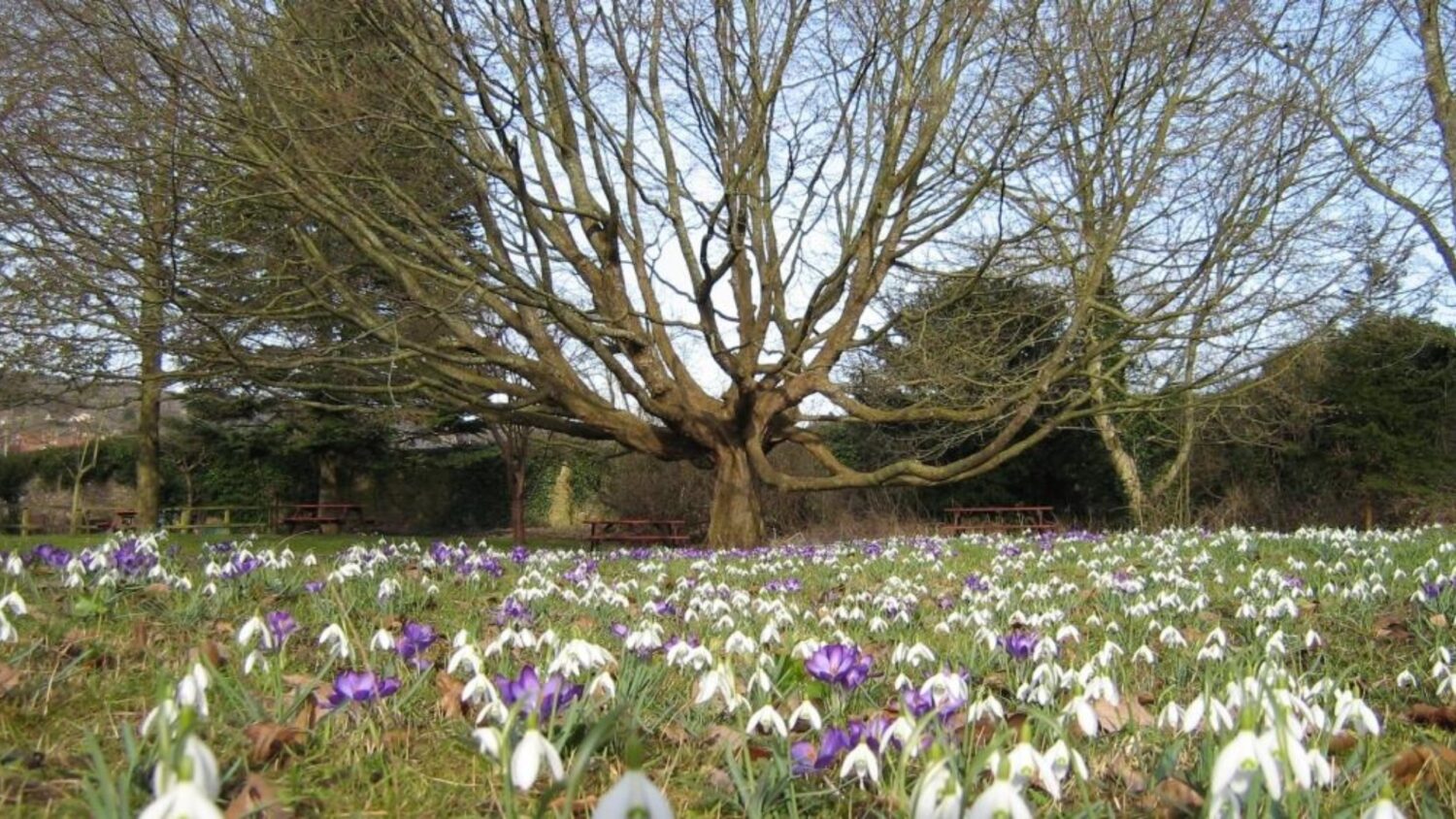
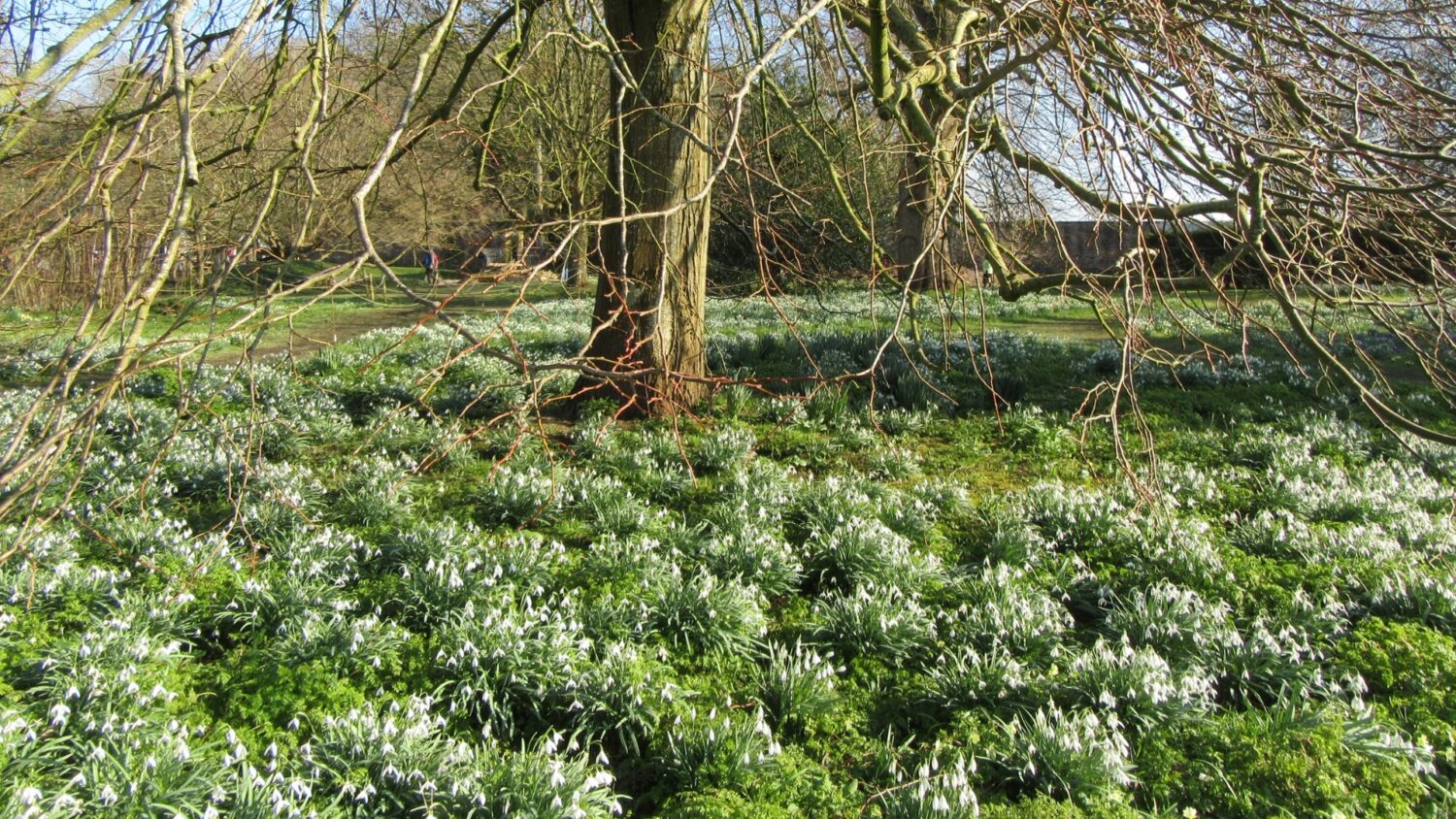
Snowdrop Month returns to Wells in February when carpets of snowdrops cover the 14 acres of RHS partner gardens at The Bishop’s Palace.
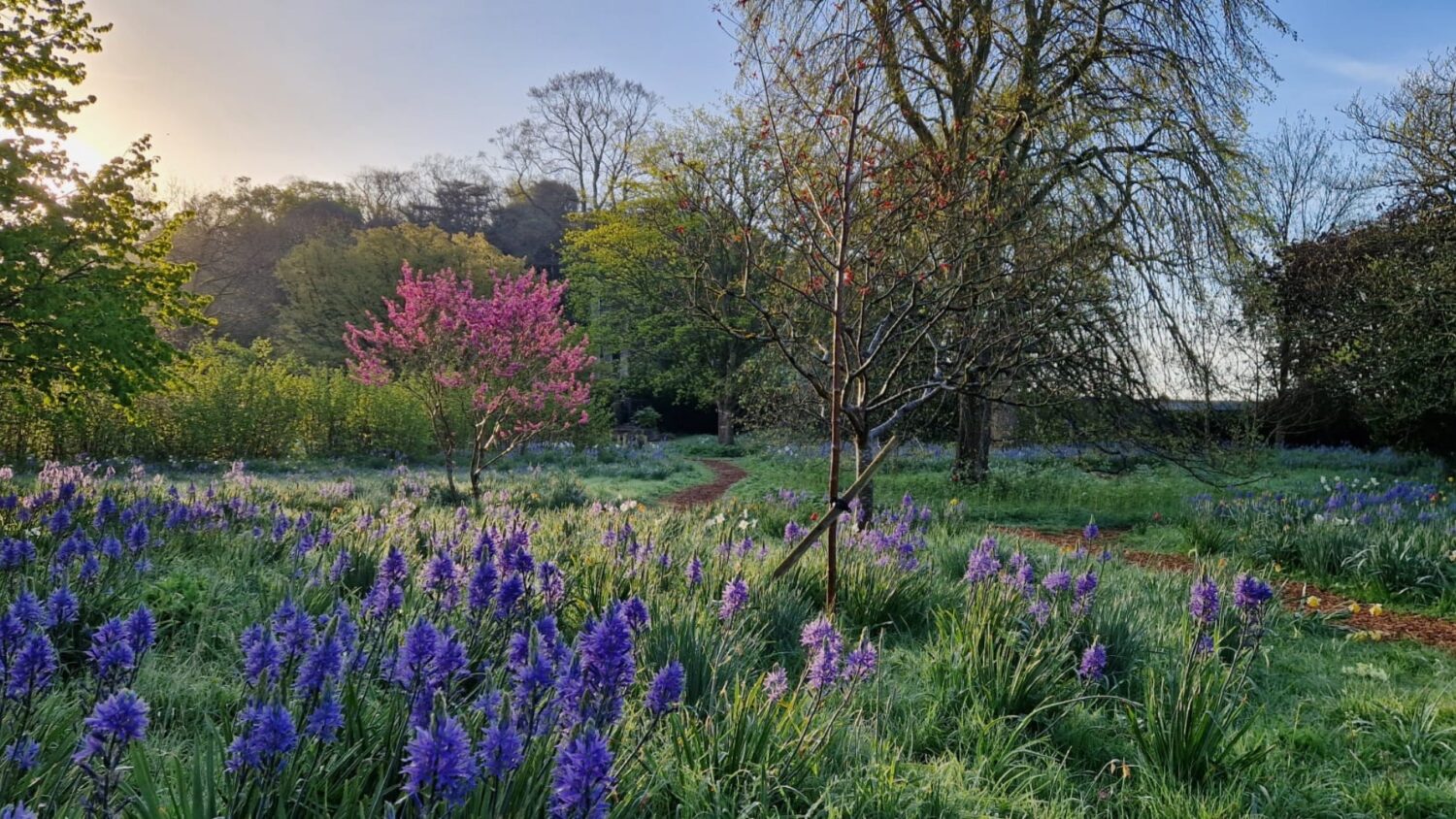
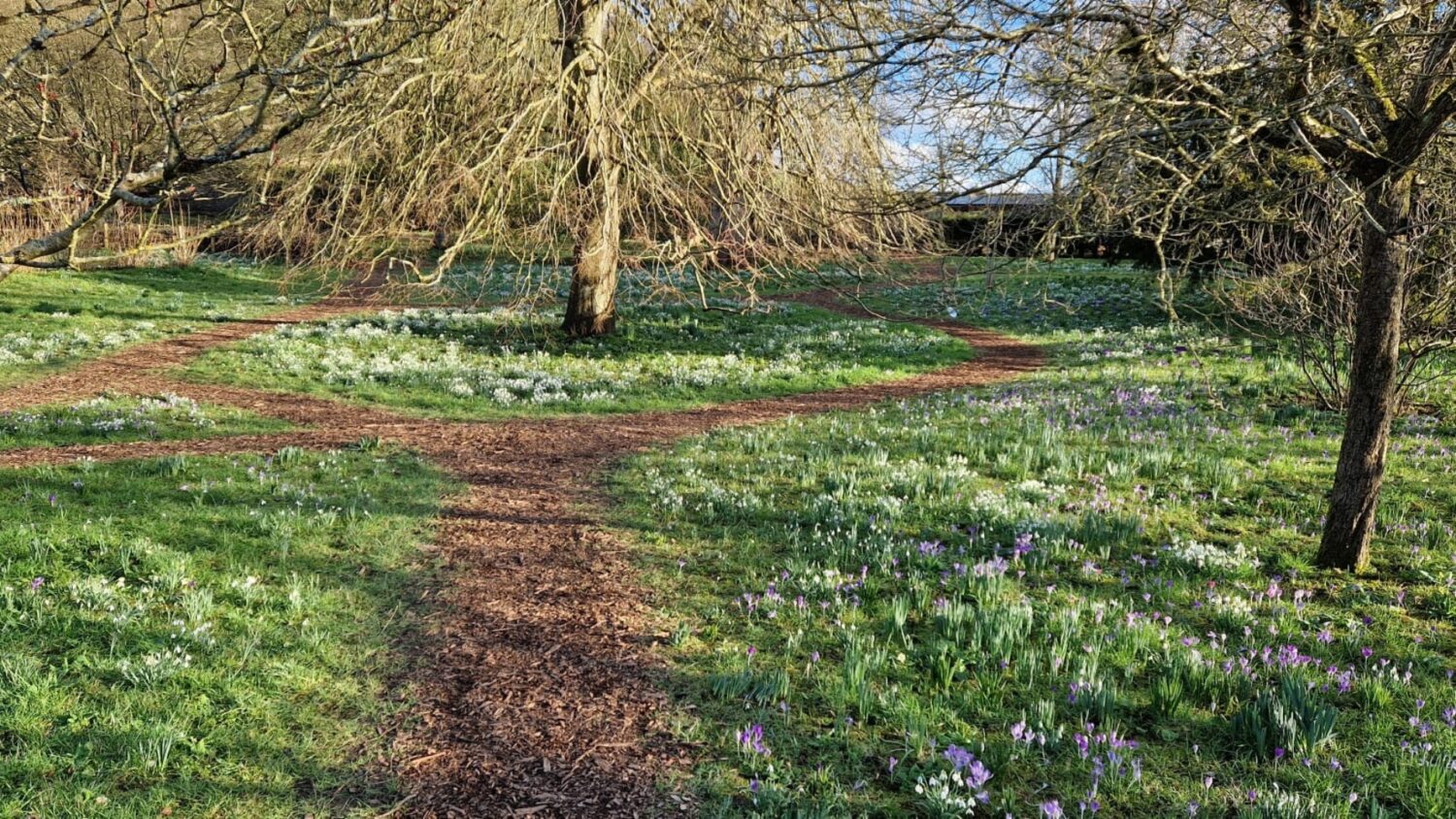
Visitors can collect printed Snowdrop Walks to guide them around the Moat banks, then across the Willow Bridge to enjoy an Arboretum full of the spring flowers. Little ones can also pick up a children’s trail from the Palace’s Ticket Office.
In partnership with the annual Shepton Snowdrops Festival, the Palace’s Head Gardener, James Cross, will also be leading Winter Interest Walk and Talks on the morning of Thursday 12 and Wednesday 18 February 2026, sharing his horticultural knowledge and expertise. After a break for tea and cake, Amanda Hirst will give a talk on James Allen, known locally as The Snowdrop King, and the first person to breed new varieties from wild snowdrops.
Entry, including tours, is included with the Annual Pass, Day Ticket, Joint Ticket with Wells Cathedral and Friends of the Palace.
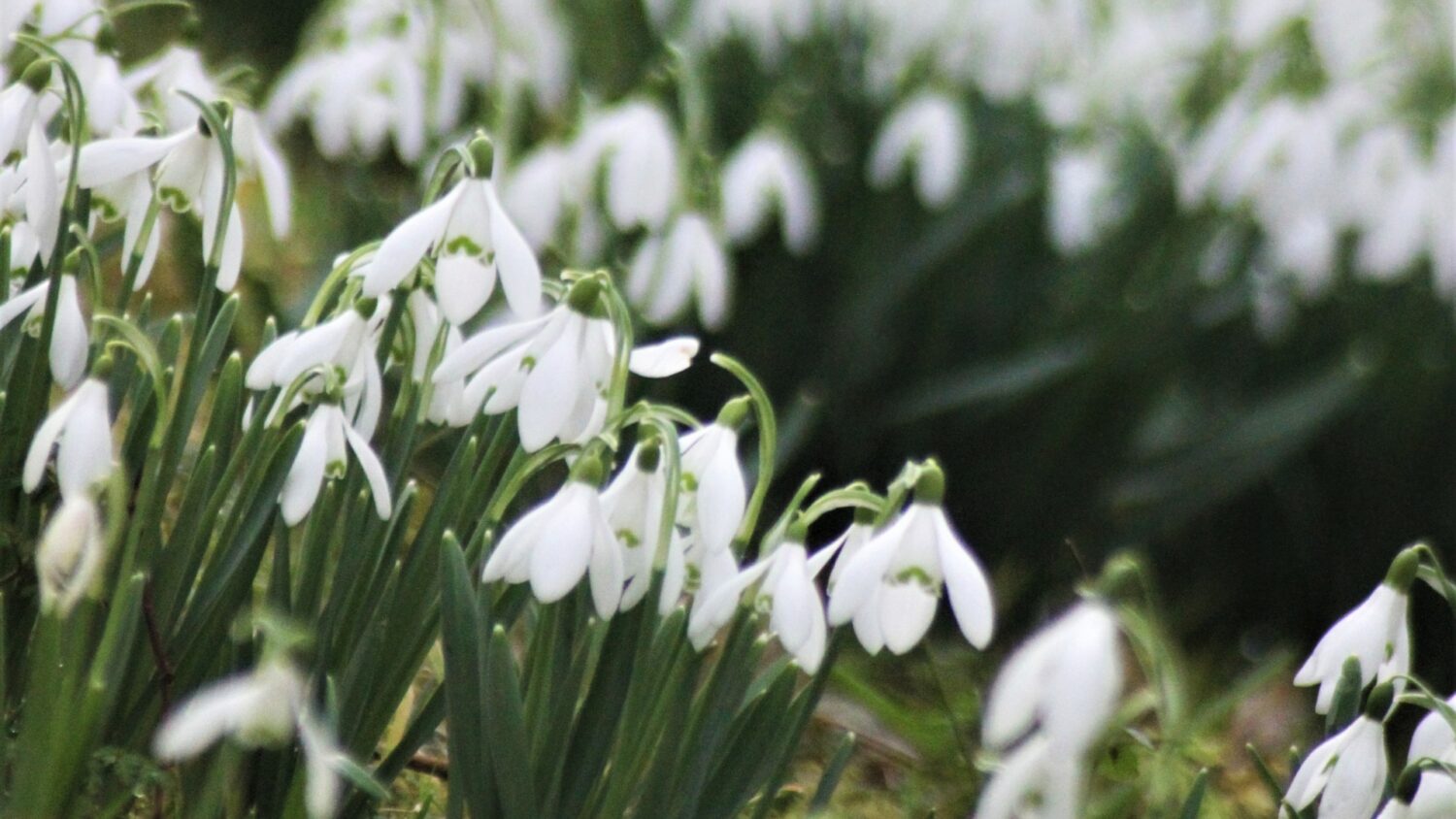
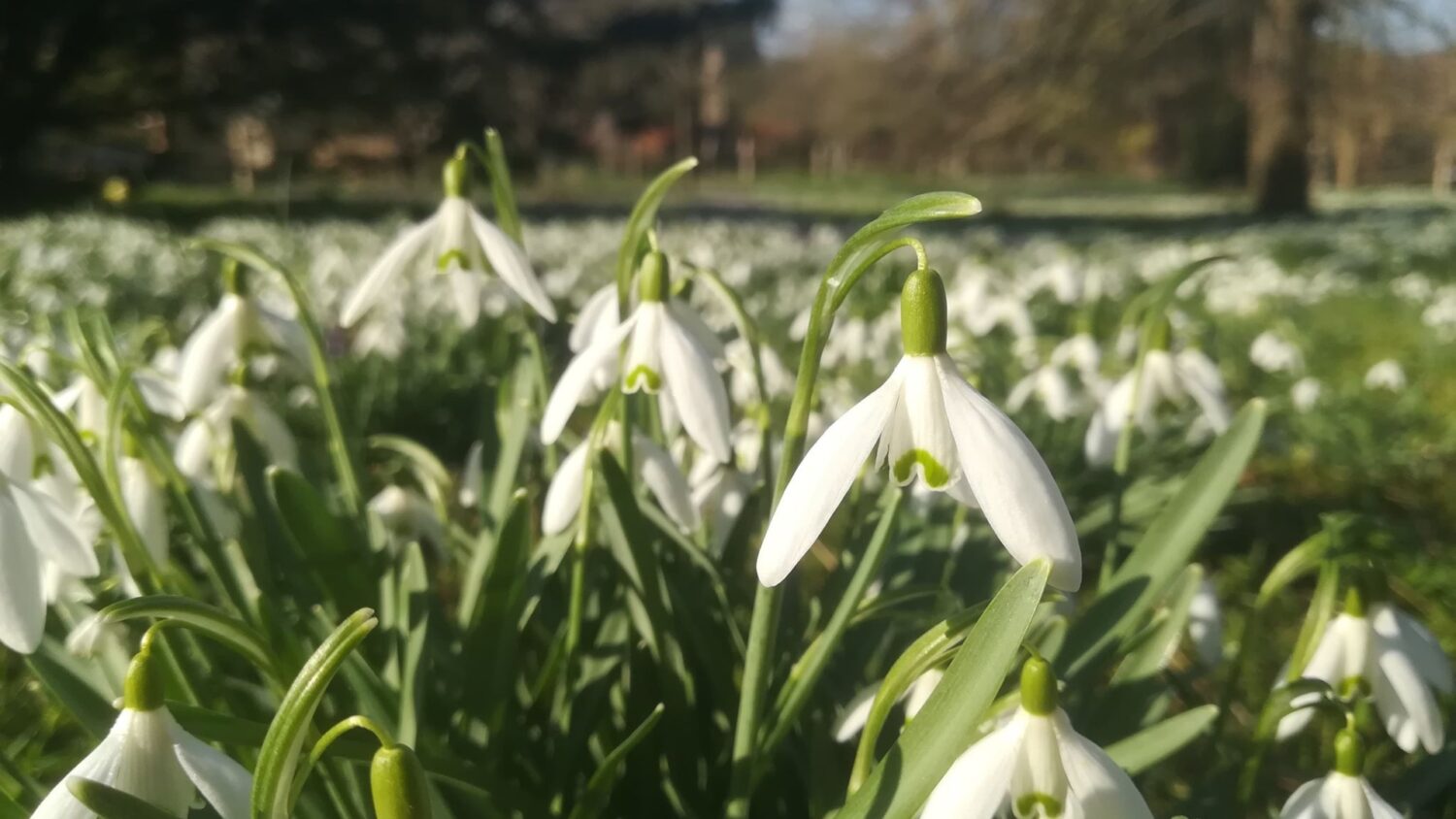
Snowdrop Display at The Bishop’s Palace
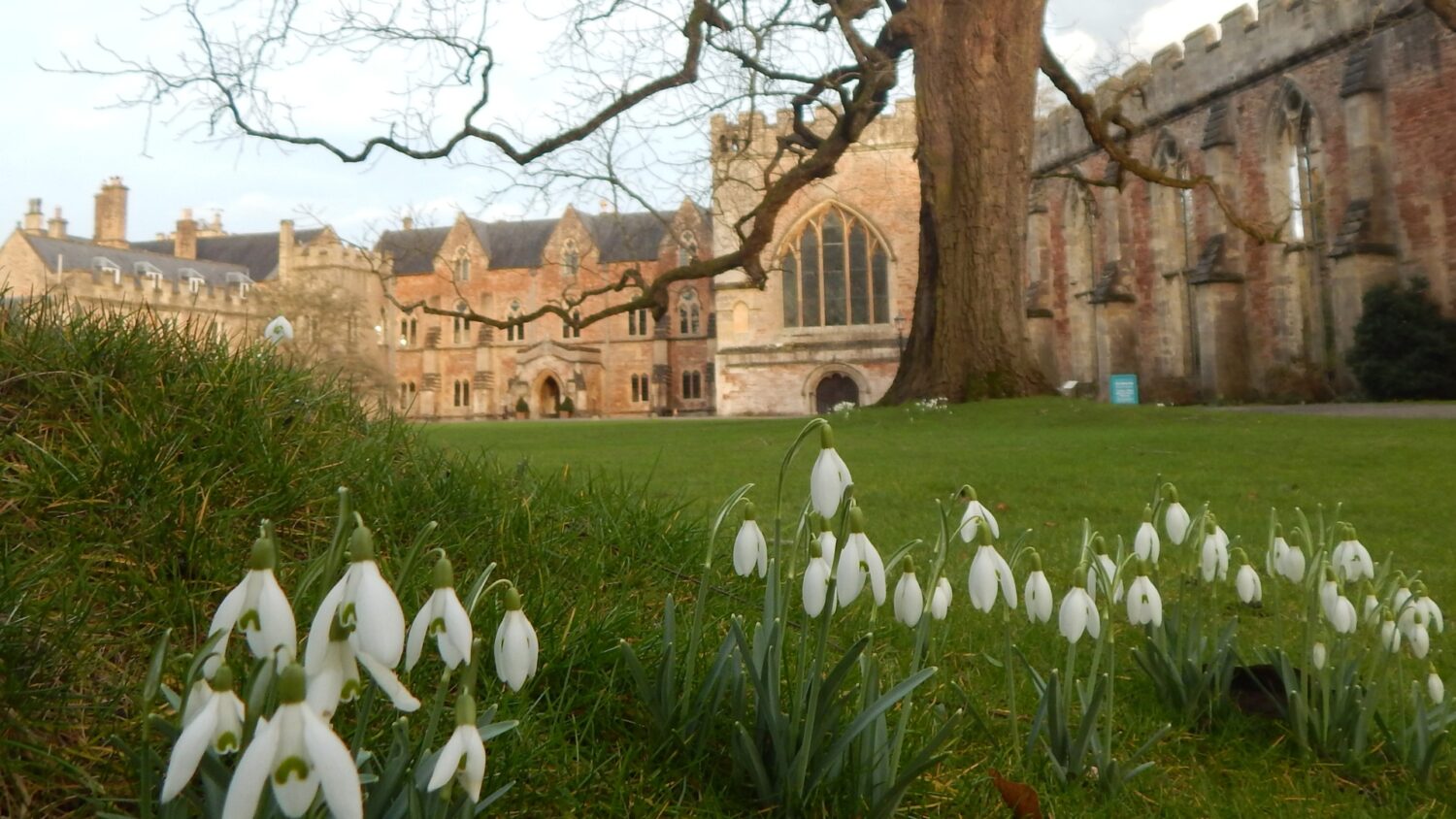
The most common snowdrop at The Bishop’s Palace is Galanthus nivalis and it is huge clumps of these that have been split and planted around the gardens.
You may also spot Galanthus nivalis pleniflours (‘Flore Peno’) and Galanthus elwesii (‘Grumpy’).
Origin in Britain
Despite its long history in the UK, the snowdrop is not native to Britain; it is a native of damp woods and meadows on the continent.
It was most likely introduced to Britain in the early 1600s, although it is possible the Romans brought some much earlier. It was first recorded as naturalised in Britain in the late 1700s.
Winter Defence
Snowdrops are often the first sign that Spring is on its way, as they poke their heads up through the frosty soil from January to March.
They are tough flowers, even able to flower through snow providing the ground is not frozen, with their sap containing a form of antifreeze that prevents ice crystals from forming.
Did you know: In France, they are known by the much tougher name – ‘Snow Piercer’.
Snowdrops & Animals
Snowdrops can only naturalise in a woodland setting where they can spread under softer ground with help from digging animals.
Snowdrops produce seeds with a special structure called an elaiosome, a nutritious, lipid-rich appendage that attracts ants. Ants carry snowdrop seeds to their nests, eat the elaiosome, and discard the seed, helping the plant spread naturally.
Medicine or Poison?
Snowdrops are part of the amaryllis family (Amaryllidaceae) which characteristically feature bulbs or underground stems and straplike leaves.
Unlike onions (also in the amaryllis family), the bulbs of snowdrops are poisonous, perhaps leading to the superstition that a single snowdrop bloom in a house represents death.
However, snowdrops also contain galantamine, which is sold as a medication to help treat the symptoms of Alzheimer’s disease.
Snowdrops & Shepton Mallet
Each February, The Shepton Mallet Snowdrop Project organises the annual Snowdrop Festival in celebration of James Allen, a 19th century breeder of snowdrops.
It’s thought that there were more than 500 cultivars of snowdrops around at this time, and Allen is credited with breeding at least 100 of them.
Sadly, a fungal infection of Botrytis followed by an attack of narcissus fly destroyed much of Allen’s snowdrop collection. However, two of the varieties he bred at his home in Shepton Mallet – ‘Merlin’ and ‘Magnet’ – still survive to this day.
Plan your visit to Wells’ Snowdrop Month 2026
Plan your visit to see carpets of snowdrops within the 14 acres of RHS partner gardens at The Bishop’s Palace this February. Entry to our gardens and Snowdrop Month, including tours, is included with the Annual Pass, Day Ticket, Joint Ticket with Wells Cathedral and Friends of the Palace.
Click the button below to purchase an admission ticket.