
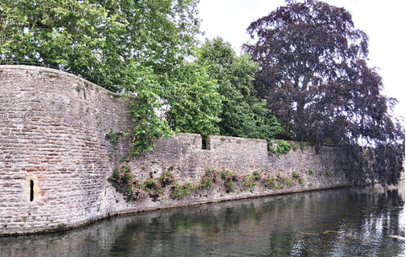
We are pleased to share details of a programme of conservation works that will be taking place across several areas of the Palace site over the coming months. These works form part of our ongoing commitment to caring for the historic fabric of the Palace, ensuring that its buildings, ruins and fortifications remain safe, stable and protected for future generations.
Historic buildings are never truly “finished”. Weather, vegetation growth and the passage of time all contribute to gradual deterioration, requiring regular intervention to prevent small issues from becoming major problems. Based on our most recent building inspection (Quinquennial Survey), a programme of specialist conservation works has been developed, focusing on two key priorities: the management of invasive vegetation within the medieval masonry and repairs to vulnerable areas of the historic roofing.
In keeping with conservation best practice, all work will follow the principles of minimum intervention, repair rather than replacement, and the retention of fabric. The project will also provide an opportunity to improve our understanding of the Palace’s historic structures by inspecting and recording areas that have previously been inaccessible or concealed.
Vegetation Removal and Masonry Conservation
Many of the Palace’s walls and ruins support a variety of plant life, including ivy, buddleia, elder and other woody vegetation. While these plants can often appear picturesque, their roots can penetrate deep into historic masonry, retain moisture, and gradually force stones and mortar joints apart. Left unmanaged, this process can lead to significant structural damage.
Specialist conservation contractors will therefore be undertaking carefully controlled vegetation removal across the Great Hall ruins, curtain walls, and Bastion Towers. Rather than forcibly extracting root systems, which can cause further damage, vegetation will be cut back and roots treated.
One of the most exciting aspects of this work is the opportunity to see parts of the monument that have been hidden beneath vegetation for years. As areas are exposed, they will be photographed, recorded and inspected, helping us identify previously concealed defects and improving our understanding of the site’s condition and development.
Visitors to the Palace may notice changes to the appearance of the ruins as vegetation dies back. While the walls may initially appear quite different, this work is an important step toward protecting the monument’s long-term stability.
Historic Roof Repairs
Alongside the works on the ruins, repairs will be carried out to sections of roofing within the Palace complex. These repairs are intended to address areas where weathering has caused material failure. In some areas, this has reduced the roofs’ ability to shed water effectively, increasing the risk of water ingress and damage to the buildings below.
The programme includes replacing a deteriorated stone ridge and repairing a number of damaged slates. Wherever possible, existing fabric will be retained, with localised repairs undertaken using matching natural stone, traditional lime mortar, and replacement slates compatible with the existing roof coverings.
By addressing these defects now, we can help prevent more extensive deterioration in the future, protecting both the historic fabric and the collections, staff and activities housed within these buildings.
Looking Ahead
The works are expected to take approximately five and a half weeks, commencing on Monday, 19th October. Work will be undertaken by JP Conservation – specialist conservation contractors experienced in working on nationally important heritage sites. Throughout the project, consideration will also be given to the ecological significance of the Palace, with safeguards in place to protect bats and other wildlife that may be using the historic structures.
We want to thank our visitors for their understanding while these works are carried out. Conservation projects such as these are essential to ensuring that the Bishop’s Palace continues to inspire and welcome visitors for many years to come, and we look forward to sharing progress updates as the work develops.